

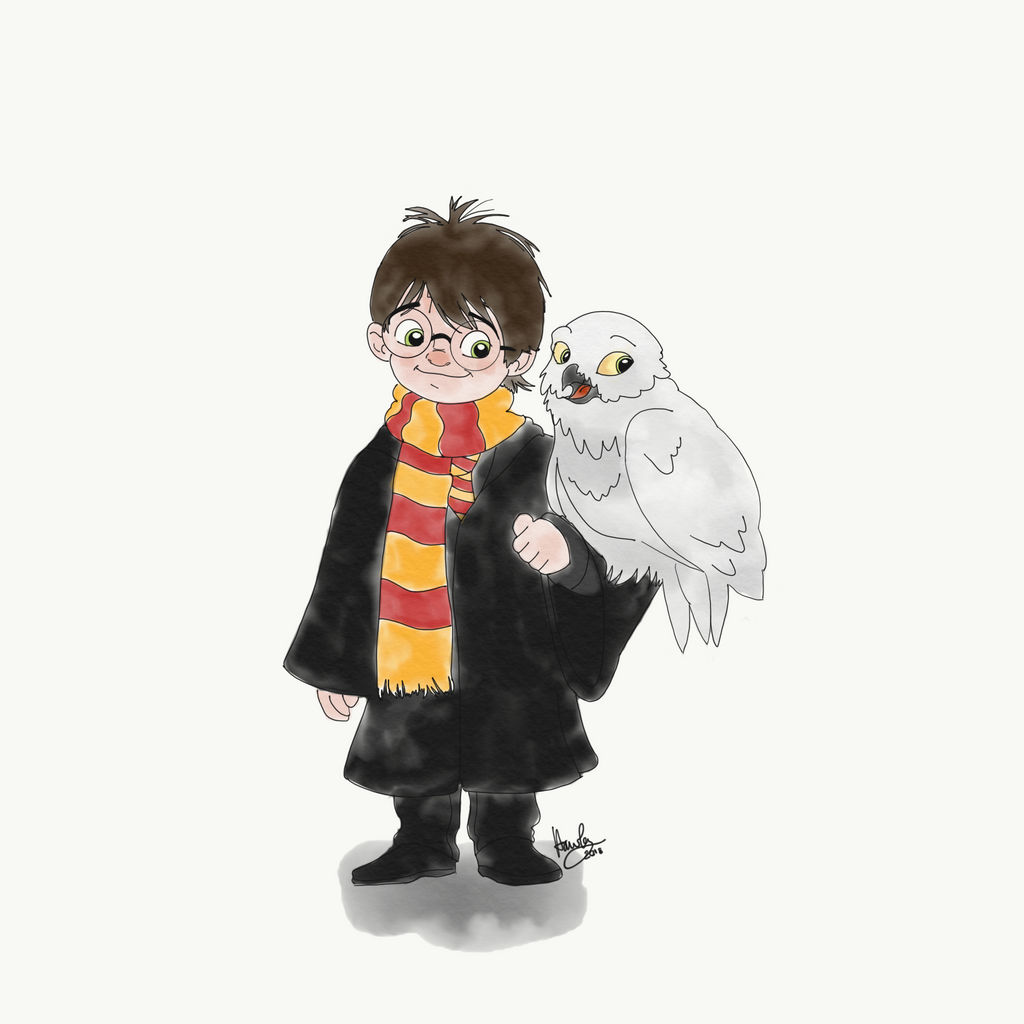
The last Owl I’ll be looking at this week is Hedwig from Harry Potter.
Despite the first Harry Potter being published in 1997, it took me a decade before I first read it. In the community I grew up in, we were discouraged from reading it due to its themes of magic and “witchcraft.”
In 2007, I was working as a Youth Pastor at an Assemblies of God church in South Louisiana, and several of my students were deeply into the books — while others believed anything Potter was bad. At that point, I decided I needed to read it for myself so I could make an informed opinion.
Approaching it with an open mind, I found something I didn’t expect — not a recipe for rebellion or a temptation to abandon my faith, but a story about right and wrong, good versus evil, and full of biblical themes and moral lessons.
The Sorcerer’s Stone felt at times like a fantasy version of The Adventures of Tom Sawyer and Huckleberry Finn — with Tom (Harry), Huck (Ron), and Becky (Hermione) embarking on adventures, exploring dark places, and seeking treasure, both literal and moral.
Hedwig’s Story
Hedwig, the snowy owl, enters Harry’s life as his first real birthday present, given to him by Hagrid on his 11th birthday. She represents the moment Harry steps from his life of neglect into a new world of belonging.
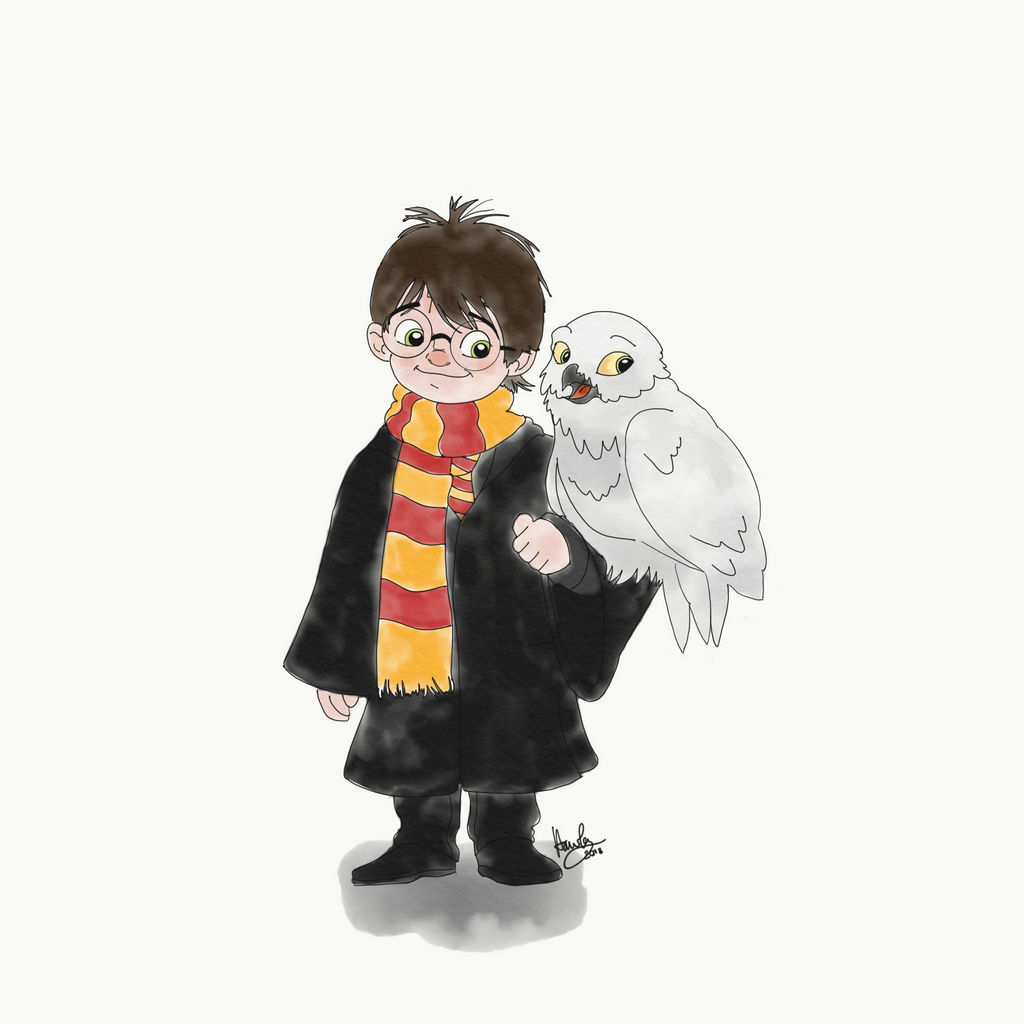
Through the years, Hedwig becomes far more than a pet. She is his only companion during the lonely summers with the Dursleys — a quiet, steadfast link between his two worlds. At school, she delivers letters and messages faithfully, often finding Harry even when he’s moved or hidden — as when she meets him at the Leaky Cauldron after he runs away from Privet Drive. She even once flew all the way to France to fetch a gift for him from Hermione.
Hedwig doesn’t just serve Harry; she understands him. She’s fiercely loyal, intuitive, and unconditionally present. Their bond isn’t transactional — she could have flown away at any time, but she stayed because she sensed his need.
Her death marks the end of Harry’s childhood. In The Deathly Hallows, she’s killed during the Battle of the Seven Potters. In the book, she dies in her cage — sudden and cruel. But in the film, her death is transformed into an act of courage: she flies free and intercepts the Killing Curse, sacrificing herself to protect the boy she’s watched over since the beginning.
Lessons from the Owl
“Greater love has no one than this: to lay down one’s life for one’s friends.” — John 15:13
It’s a continuous challenge — but do I love others more than I love myself? Or, at the very least, just as much?
If I’m honest, I know I’m not as selfless as I’d like to be. Many of my relationships are transactional, especially at work — a trade of time, goods, or service.
Maybe that is fine in the marketplace. But when it comes to family and true friendship, I need to strive for something deeper — to give without expecting anything in return.
Harry and Hedwig could have easily had a transactional relationship. She provided a service; he made sure she was fed and cared for. But Hedwig went deeper. She could have left — yet she stayed. Not because she had to, but because she knew Harry needed her.
Can I be that kind of friend, father, mentor, or colleague — someone who gives more of himself than he expects in return?
That’s the lesson from Hedwig:
Love isn’t about what we get back — it’s about what we give freely.
#OwlWaysLearning
 Ramblings from That Guy